
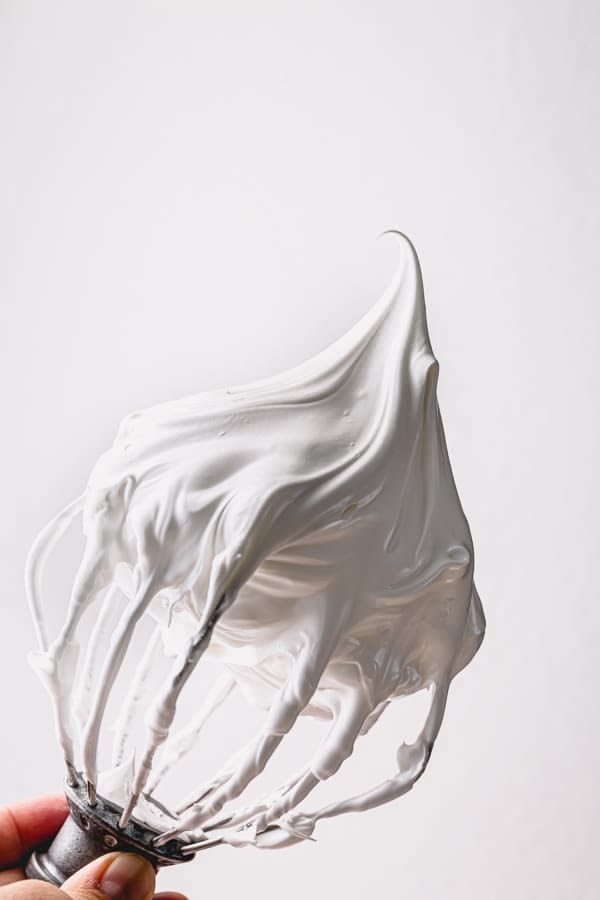
HOW TO PERFECTLY WHIP CREAM
A Scientific Analysis of Fat Function in Baked Systems
By Chef Muassab Pasha
Whipped cream is one of the most essential components in modern baking and pastry arts. From elegant desserts to classic cakes, perfectly whipped cream adds lightness, structure, and luxury. However, achieving the perfect texture requires precision, temperature control, and understanding of fat science.
1. Understanding Whipping Cream
Whipping cream contains 30–36% milk fat, which is crucial for structure. During whipping, air is incorporated into the cream while fat globules partially solidify and trap air bubbles, forming a stable foam.
2. Types of Whipped Cream
Soft Peak – Light, smooth, gently folds
Medium Peak – Holds shape but still soft
Stiff Peak – Firm and pipeable
3. Essential Ingredients
Cold heavy cream (minimum 30% fat)
Sugar (icing sugar preferred)
Optional flavorings
4. Critical Temperature Control
Cream temperature: 2–5°C
Chilled equipment is essential
Cold conditions promote partial crystallization of milk fat, improving foam stability.
5. Step-by-Step Method
Chill bowl and whisk
Add cold cream
Begin at low speed
Increase to medium speed
Add sugar during thickening
Stop at desired peak stage
6. Common Mistakes
Overwhipping → grainy texture (butter formation)
Underwhipping → unstable foam
Warm cream → poor aeration
7. Professional Tips
Use icing sugar for smoother texture
Avoid high speed initially
Stop immediately at stiff peaks
Work in a cool environment
8. Stabilized Whipped Cream
Gelatin stabilization
Mascarpone addition
Commercial stabilizers
9. Culinary Science Insight
Whipped cream is a colloidal foam system:
Air bubbles are dispersed in a continuous liquid-fat phase
Partial coalescence of fat globules forms a stabilizing network
Overwhipping disrupts this network, leading to butter formation
10. Conclusion
Perfect whipped cream is a balance of temperature, timing, and technique. Mastery of this process ensures professional-quality desserts.
Harvard-Style Scientific References
McGee, H. (2004). On Food and Cooking: The Science and Lore of the Kitchen. Scribner.
Walstra, P., Wouters, J.T.M. & Geurts, T.J. (2006). Dairy Science and Technology. CRC Press.
Damodaran, S., Parkin, K.L. & Fennema, O.R. (2017). Fennema’s Food Chemistry. CRC Press.
Dickinson, E. (2015). “Food emulsions and foams: Stabilization by particles.” Current Opinion in Colloid & Interface Science, 20(3), 200–206.
Goff, H.D. & Hartel, R.W. (2013). Ice Cream. Springer (Foam and fat destabilization concepts).
Campbell, G.M. & Mougeot, E. (1999). “Creation and characterization of aerated food products.” Trends in Food Science & Technology, 10(9), 283–296.
Rao, M.A. (2014). Rheology of Fluid and Semisolid Foods. Springer.
Chef Musab Pasha’s Professional Insight
“Whipped cream is not just a topping—it is a structure, a texture, and a signature of precision. Respect temperature, control your speed, and stop at perfection—not beyond it.”